Stay Ahead of the
Industry Curve
Curated news, insights, and trends from the world's leading publications—connected directly to your LUMINA curriculum.
Filter by Industry









AI-Powered Summaries
10 Breakthrough Technologies 2026: Generative Coding
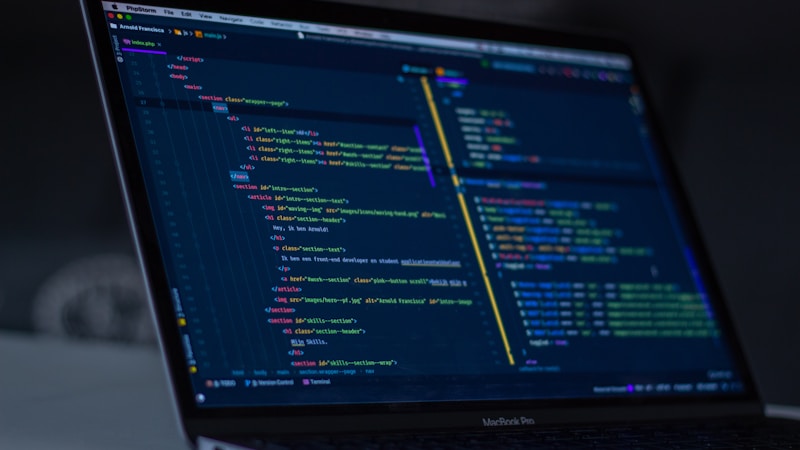
MIT Technology ReviewAI now writes as much as 30% of Microsoft's code and more than a quarter of Google's code, fundamentally transforming software development. While productivity gains are significant, there are early effects on other parts of the industry—including fewer entry-level jobs for younger workers. Chinese open-source models like Alibaba's Qwen have overtaken Meta's Llama in cumulative downloads on Hugging Face, marking a shift in AI development leadership.
Why It Matters:
Understanding AI's role in software development is crucial for anyone entering tech or creative industries. As generative coding becomes standard practice, creative professionals need to know how to work alongside AI tools while developing skills that remain uniquely human. The shift in entry-level opportunities means students must adapt their career strategies.
Business-Backed Sponsorship Trends in Sports 2026
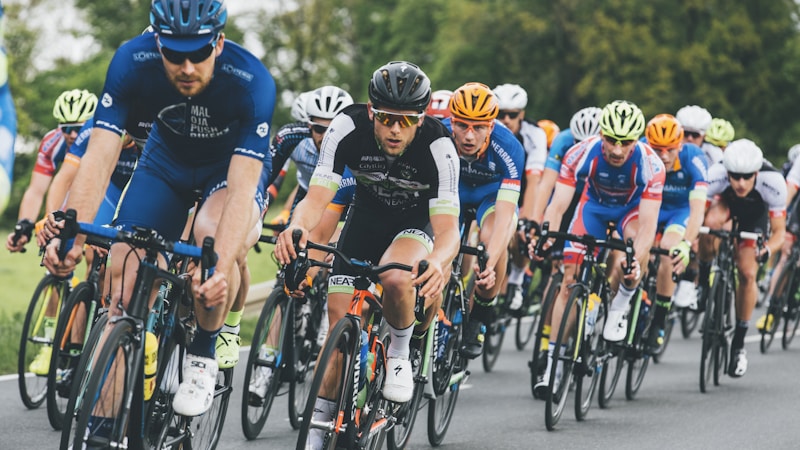
SponsorUnitedThe NIL marketplace has evolved into a $1B+ economy, with marketing NIL deals projected to grow from $234 million to nearly $1 billion in 2026. Tech brands saw a 29% year-over-year increase in NIL deal volume, with EA Sports offering $1,500 to over 14,000 FBS athletes. Athletes are emerging as powerful media brands through podcasting, with shows commanding seven-figure sponsorship deals. Women's sports continues explosive growth with volleyball NIL deals up 146% year-over-year.
Why It Matters:
The athlete-as-entrepreneur model represents the future of personal branding across all creative industries. Athletes are building media empires, negotiating corporate partnerships, and creating sustainable income streams before graduation. These strategies—authentic storytelling, audience building, and strategic partnerships—apply directly to creative professionals building their own brands and businesses.
Banks are scaling autonomous AI systems into core operations, moving from AI "assistance" to "transactional authority" with digital co-workers managing routine trades and compliance checks. Private credit is reshaping a $41 trillion addressable credit market, with private funds on track to replace up to 15% of traditional lending. 64% of finance leaders plan to infuse more technical skills within their function, while cybersecurity becomes critical as AI-generated fraud grows more sophisticated.
Why It Matters:
The convergence of AI, private markets, and digital payments is fundamentally changing how creative businesses access capital and manage finances. Understanding agentic AI, alternative financing options like private credit, and digital payment infrastructure will be essential for entrepreneurs. As traditional banking evolves, creative professionals need to navigate new financial tools and protect against increasingly sophisticated cyber threats.
The era of passive annual renewable offsets is fading, replaced by rigorous 24/7 Carbon-Free Energy (CFE) standards where organizations match consumption with generation hourly. AI-driven carbon accounting frameworks are transforming how businesses track and reduce emissions, streamlining compliance while minimizing greenwashing risks. Solar glass windows and floating wind farms are revolutionizing urban power generation, while energy-efficient systems reduce operating expenses by 20-40%. Supply chain traceability is the fastest-growing segment as businesses demand transparency.
Why It Matters:
Sustainability has shifted from marketing to operational necessity. Creative professionals who understand 24/7 CFE, AI-powered carbon accounting, and circular supply chains will lead the next generation of sustainable businesses. With climate tech as a top-three category for venture funding and clients demanding verifiable sustainability metrics, these skills translate directly into competitive advantage and career opportunities across industries.
2026 marks the rise of "Imperfect by Design" where creators embrace human imperfections that make work personal, raw, and honest. With 77% of creators describing AI as an "essential partner," the creative industry experiences a backlash against hi-tech design toward messy, chaotic humanity and organic, analog, human-centered work. Hand-drawn revival with irregularity and authored imperfections signals humanity, while tactile and sensory experiences drive engagement. Blue emerges as the defining color of 2026, offering stillness amid increasingly demanding content.
Why It Matters:
The design world is rejecting AI-generated perfection in favor of authentic human expression—but using AI as a tool on human terms. This shift affects every creative discipline from graphic design to fashion to product development. Understanding how to balance AI efficiency with human authenticity will define creative success. As brands seek genuine connections, designers who master this tension will be most in demand.
Interior designers are steering clear of excess in 2026 but avoiding stark minimalism, instead opting for "curated calm over superficial opulence." Milan-based Dimore Studio expects "a form of conscious reduction, spaces that are quieter, but not empty; restrained, yet layered." This shift reflects broader economic realities as sustaining financial stability dominates the mindset, with design becoming "less romantic and more about risk management, future proofing and building scalable systems instead of products."
Why It Matters:
The interior design shift toward curated calm reflects broader cultural changes affecting all creative disciplines—authenticity over excess, sustainability over novelty, and emotional resonance over superficial trends. As clients prioritize longevity and meaningful spaces, designers must balance aesthetic vision with financial pragmatism. This trend influences architecture, product design, retail environments, and brand spaces, making it essential knowledge for anyone working in spatial or experiential design.
Connect Real-World News to Your Learning
Every article is linked to relevant LUMINA courses with reflection prompts to deepen your understanding.
Business & Entrepreneurship
12 connected courses
Technology & AI
8 connected courses
Creative Industry
15 connected courses
The Weekly Pulse Brief
Get the most important industry developments delivered every Monday. Curated insights that matter to your creative career.
Engage with Industry News
Save articles, complete challenges, and build your industry knowledge portfolio.
Save & Organize
Bookmark articles that resonate with you and build your personal industry knowledge library.
Weekly Challenges
Complete reflection prompts and discussion questions tied to trending articles.